Dreaming of the You: How Selena Brought Me Home to Myself
Dreaming of the You: How Selena Brought Me Home to Myself
Growing up brown in a white community, I sensed something about me was unlovable but couldn’t articulate or understand what that thing might be. This is the story of revisiting Selena and her legacy, and how her pride in her identity helped shape my own.
Give this a read, and if you’re A) looking for BIPOC therapist and B) any of this lived experience resonates with you - I’d love to support you. Reach out for a free consult call. Ok — story below.
Part One: Something Unlovable, Sans Words
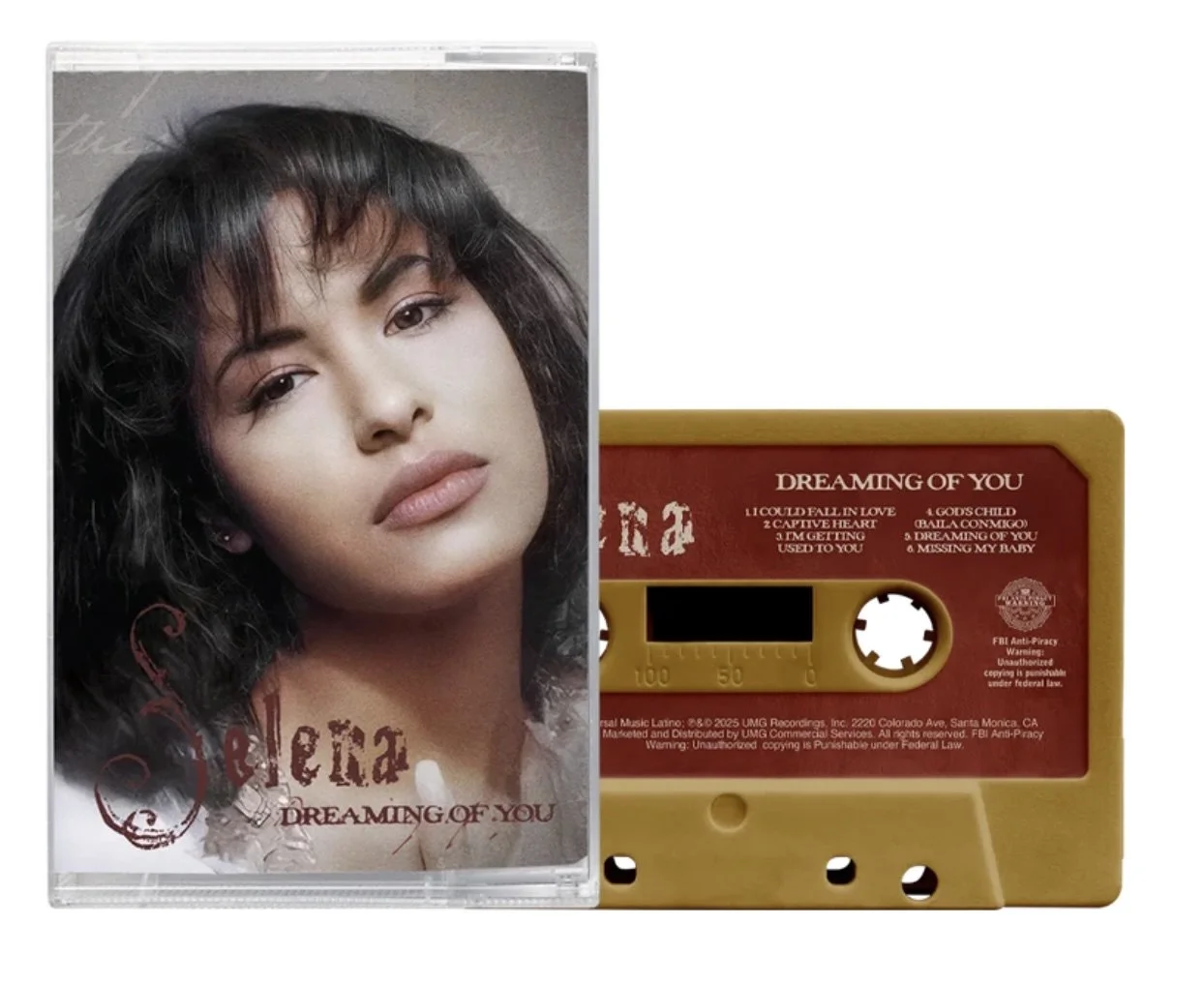
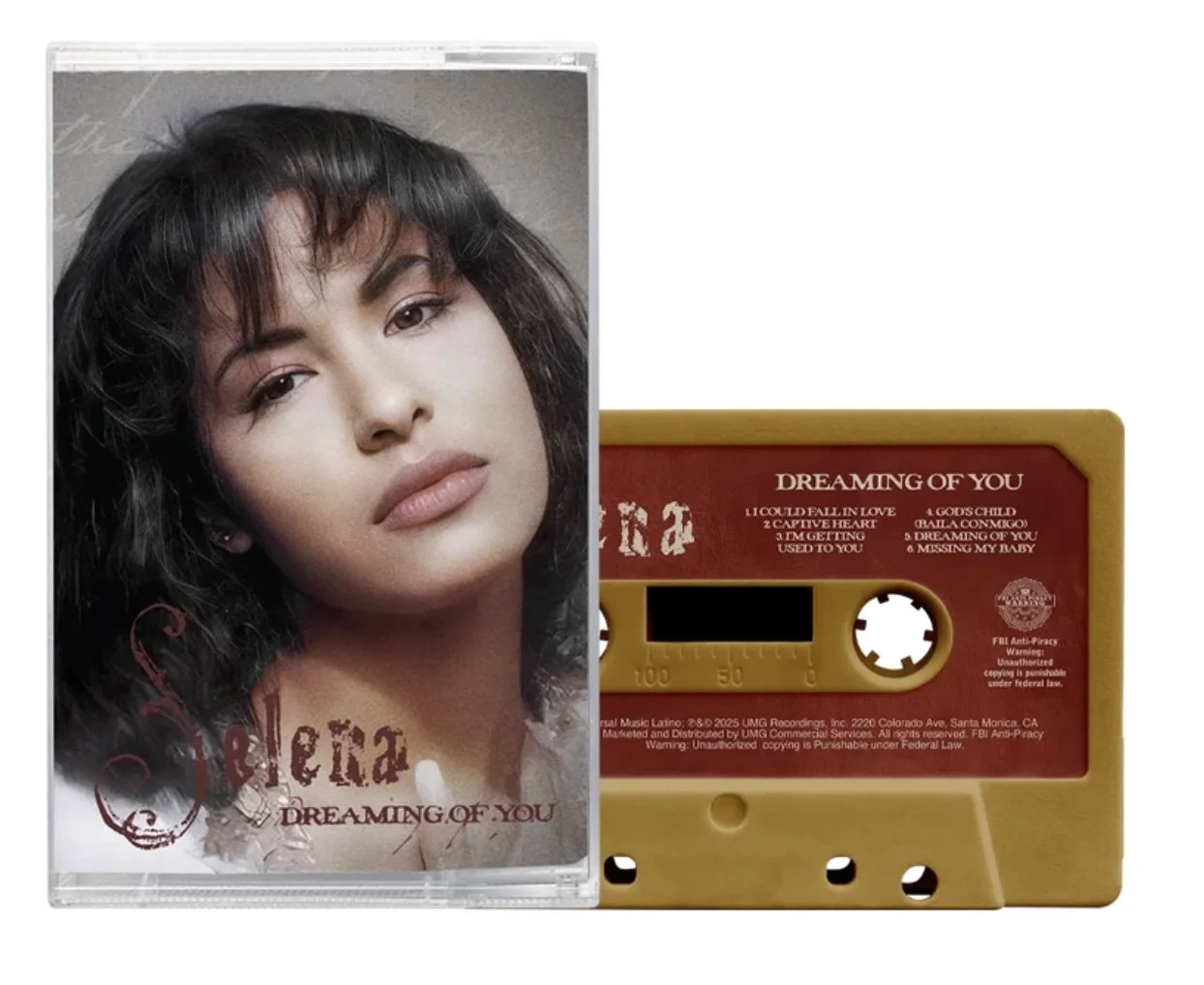
The first pieces of audio equipment I ever owned were a portable cassette player and the "Dreaming of You" cassette by Selena. My first favorite song, of course, was "Dreaming of You." I remember playing it at a sleepover at my best friend Maddie's house in first grade, as I thought about my first crush, Nathan, a nice Jewish boy who captured my 7 yo heart for reasons I don't really understand. In a pause from our nonstop laughter (and also in a respite from resisting the urge to call my mom to come get me — wanting relief from the stereotypical homesickness I felt as a girl) we listened in her room. I looked longingly out the window, half pining and half pretending to pine like I’d seen in movies, singing Selena's lyrics to Nathan in my mind, and wondering if I'd ever be brave enough to tell him I liked him. I yearned for how good it would feel to have the bridge's lyrics come true: "I still can't believe, that you came up to me, and I said, 'I love you.'"
Liking Nathan from afar felt good, but also evoked a heavy, sad longing that I couldn't put into articulate or name. Reflecting now, the longing likely came from a sense Nathan might never like me back; I might never tell him how I feel. But Selena's song let me imagine, in a vague seven year old way, “what if this unrequited love became requited? What if, all along, Nathan had loved me back this whole time?!”
Throughout adolescence, I could rapidly and effortlessly articulate why liking a boy was a set up for rejection: I considered myself ugly compared to other girls. I felt too short, too fat, and an embarrassingly "late bloomer." Having no boobs and constantly mistaken as about 5 years younger by those meeting me (kids, teens, and adults alike) built an expectation of rejection that tainted my early romantic and also late-blooming sexual experiences. The Kate-Moss-heroin-chic-Mary-Kate-and-Ashley-Abercrombie-model beauty standards we all digested regularly certainly intensified my hatred of my body. As I grew older, I could name the ways gendered beauty standards held us all to an impossible, emaciated ideal, an ideal that metastasized inside me, rigid, torturous, and restless, as I began dancing more seriously.
BUT rewinding back to age seven, even then, I'd internalized belief sans words, that it was highly unlikely Nathan would like me back, because something about me was unlovable. Only recently, when watching the documentary "Selena y Los Dinos," did I understand the missing piece behind never feeling like enough, beyond the body image, puberty, dancing, and perfectionism - growing up brown in a (pre)dominantly white community.
When I'm brave enough to remember, I can recall extremely early experiences that encapsulate the whiteness of the water I was swimming in. I remember excitedly cruising the aisles of Toys"R"Us with my sister, trips that were one of my mom's trusted post-vaccination bribes. Wordlessly, but nonetheless true, I preferred and wanted the white baby dolls, not the brown ones. I hate writing this, but my pre-elementary school brain had picked up that the brown dolls seemed "dirtier," or less than.
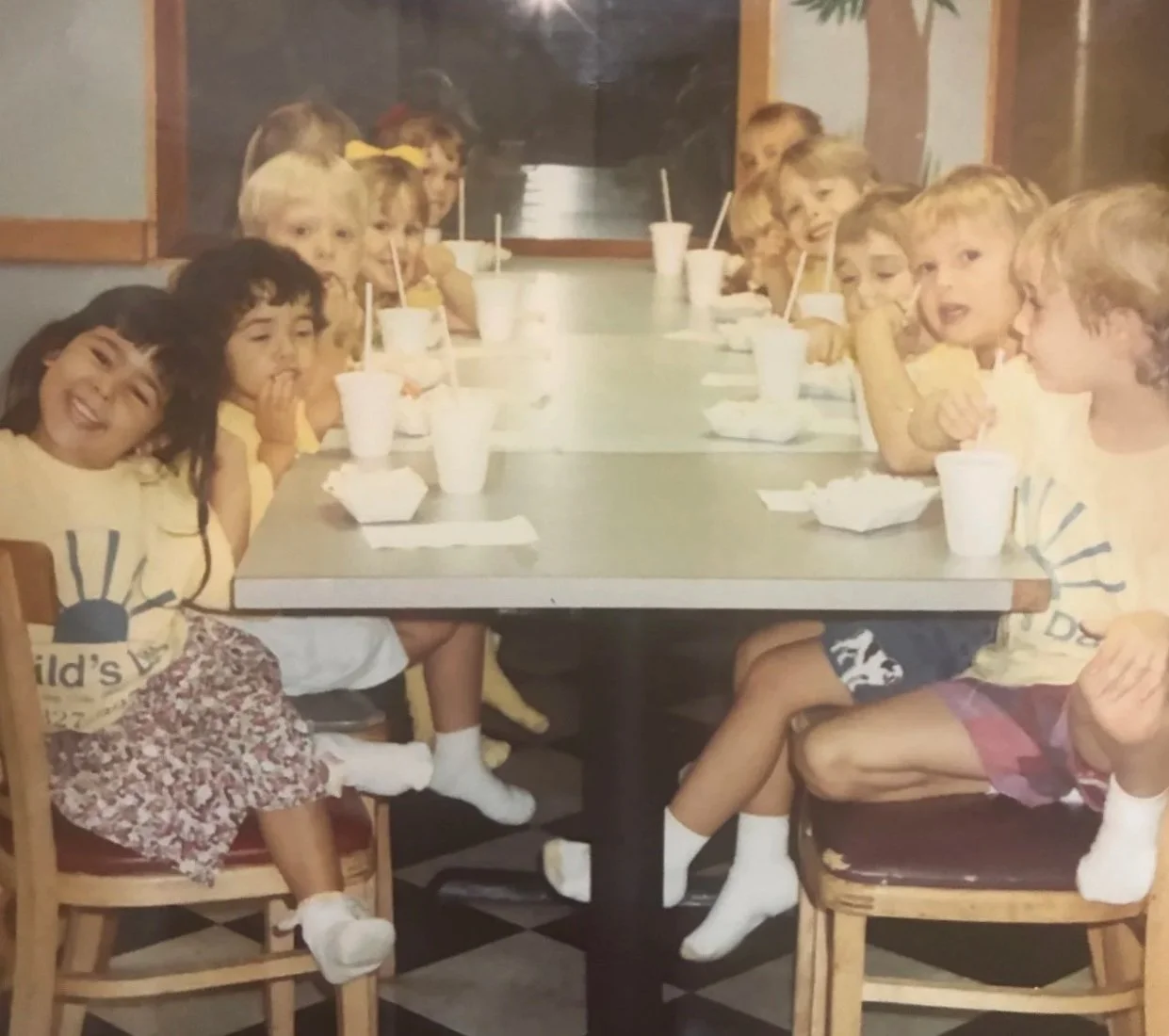
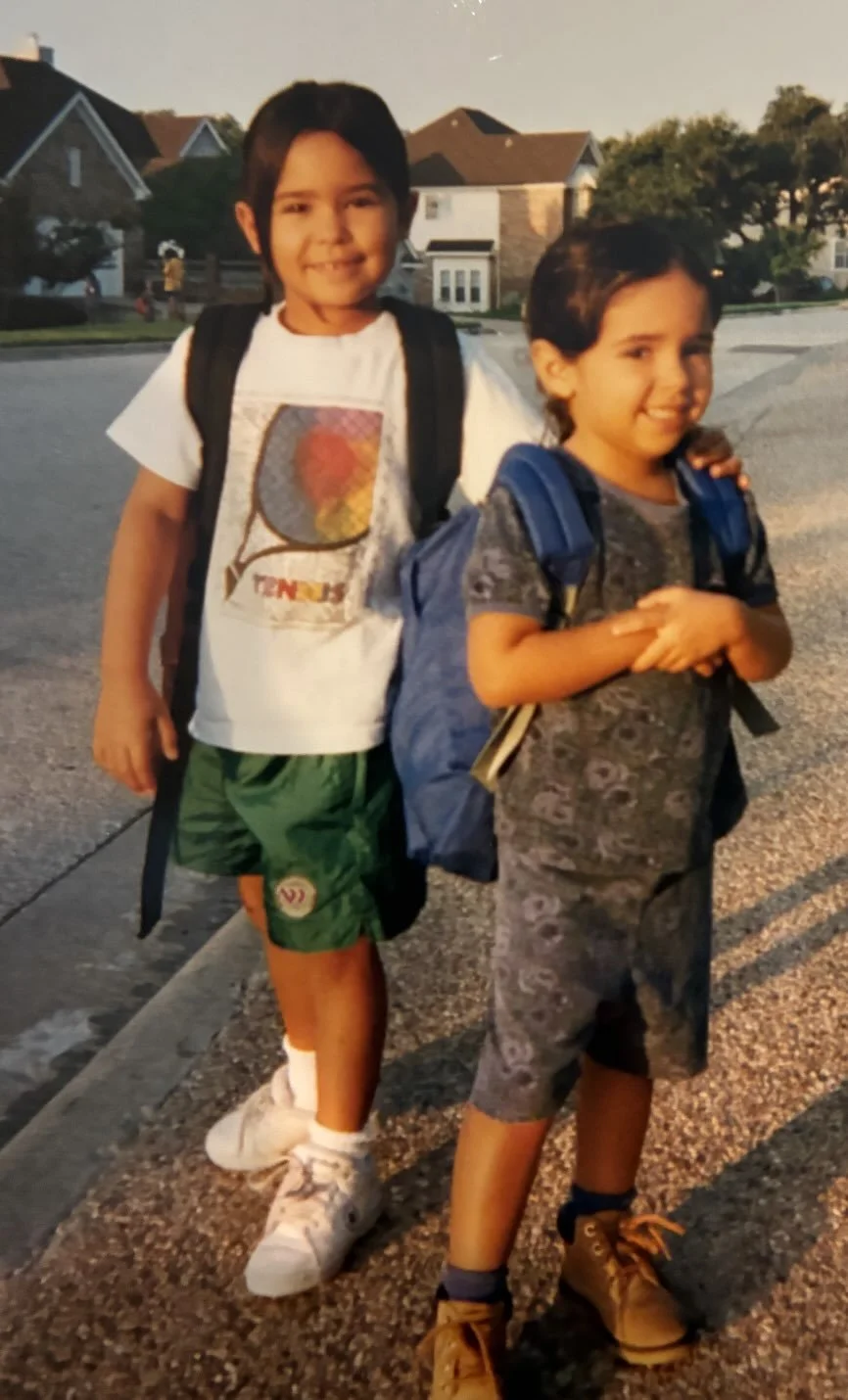
A field trip at Child’s Day - my sister and I in the front.
Another distinct memory: I'm on the playground at preschool, Child's Day. The late morning sun lights up my dark brown arm hairs, transforming them into an almost reddish blonde. I think something like, "My hair's getting lighter, maybe my skin will get lighter too," hoping this was the beginning of growing into a lighter skin shade.Clearly, I'd had enough experiences, through whatever media I consumed, whatever images of beauty I internalized, whatever subtle comments other kids or adults made - that brownness, specifically being of Mexican heritage (even saying "Mexican" around that age also felt weirdly dirty, like an implicit insult) was inferior to whiteness.
These experiences weren't always implicit and happening inside me - luckily rarely, but sometimes, they were explicit, loud, and violent. In Kindergarten, the class bully approached me out of nowhere, totally unprompted, and said, "I hate you cuz you're Black!" and socked me in the stomach. Amidst the confusion of being mis-identified (and subconsciously processing a very early introduction to the specifically anti-Black-racism that infects America), I immediately rannnnn to the teachers to tell on her. One solace of this memory was my instinctual "I'm gonna snitch on this bitch as fast as possible" mentality, because it at least communicates that I knew she was deeply wrong, and that justice must be served IMMEDIATELY. Sadly, I felt only mildly satisfied to return to the classroom after recess was over, seeing her sullen and crumpled in her chair after being escorted inside early for a solitary time-out.
I can imagine a reader asking themselves, 'Well what was going on in your home? Were your parents somehow counteracting this racism, letting you know just how beautiful Mexican heritage and brown skin is?' I'd answer both yes and no - more on that in part two, coming next week.
Read more about Somatic Therapy: